





with
Monday to Friday
9am to 5pm

Our foster carers are individuals and families across metropolitan Adelaide who open their homes in different ways.
Long-term care
Provide a stable home for a young person until they turn 18. Over time, you’ll build a strong bond and a lasting connection as they become part of your family.
Respite foster care
Offer short breaks for children already in long-term care. Whether it’s a weekend each month, a week during school holidays or the occasional overnight stay, your support can make a real difference.
View more
Our foster carers are individuals and families across metropolitan Adelaide who open their homes in different ways.
Long-term care
Provide a stable home for a young person until they turn 18. Over time, you’ll build a strong bond and a lasting connection as they become part of your family.
Respite foster care
Offer short breaks for children already in long-term care. Whether it’s a weekend each month, a week during school holidays or the occasional overnight stay, your support can make a real difference.
View more
Our foster carers are individuals and families across metropolitan Adelaide who open their homes in different ways.
Long-term care
Provide a stable home for a young person until they turn 18. Over time, you’ll build a strong bond and a lasting connection as they become part of your family.
Respite foster care
Offer short breaks for children already in long-term care. Whether it’s a weekend each month, a week during school holidays or the occasional overnight stay, your support can make a real difference.
View more
Our foster carers are individuals and families across metropolitan Adelaide who open their homes in different ways.
Long-term care
Provide a stable home for a young person until they turn 18. Over time, you’ll build a strong bond and a lasting connection as they become part of your family.
Respite foster care
Offer short breaks for children already in long-term care. Whether it’s a weekend each month, a week during school holidays or the occasional overnight stay, your support can make a real difference.
View more
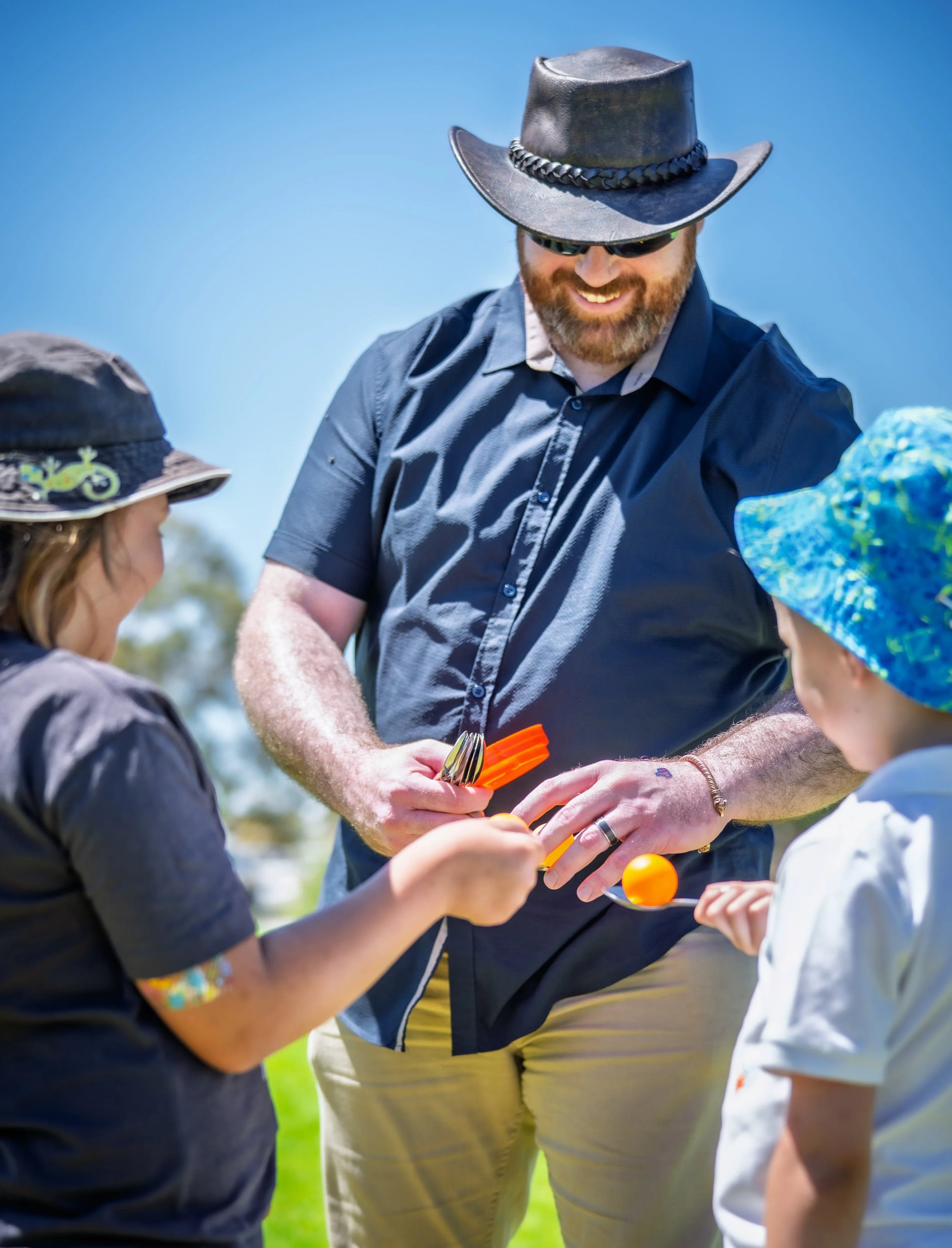
Foster carers don’t all look the same, and can come from all backgrounds and situations, or be different ages and sexualities.
You don’t have to already have children, be in a relationship or own a home. The most important attribute is that you are patient, understanding and flexible, and committed to providing care to young people.
You will need to provide adequate and safe accommodation, in a home you either rent or own. Each child, regardless of age, will need to have their own room.
Long-term foster carers need to be mentally and physically able to care for the child until they can live independently.
Our foster carers are able to:
offer ongoing care
provide a safe and stable home that supports a child’s sense of security and belonging
promote positive wellbeing and development
work as part of a team that includes Uniting Communities staff, the Department for Child Protection, the child’s birth family and other organisations
undertake ongoing training and development
support the child’s connections to their family and culture
be resilient and seek support from family and friends
respond sensitively to the child’s needs.
View more
Foster carers don’t all look the same, and can come from all backgrounds and situations, or be different ages and sexualities.
You don’t have to already have children, be in a relationship or own a home. The most important attribute is that you are patient, understanding and flexible, and committed to providing care to young people.
You will need to provide adequate and safe accommodation, in a home you either rent or own. Each child, regardless of age, will need to have their own room.
Long-term foster carers need to be mentally and physically able to care for the child until they can live independently.
Our foster carers are able to:
offer ongoing care
provide a safe and stable home that supports a child’s sense of security and belonging
promote positive wellbeing and development
work as part of a team that includes Uniting Communities staff, the Department for Child Protection, the child’s birth family and other organisations
undertake ongoing training and development
support the child’s connections to their family and culture
be resilient and seek support from family and friends
respond sensitively to the child’s needs.
View more
Foster carers don’t all look the same, and can come from all backgrounds and situations, or be different ages and sexualities.
You don’t have to already have children, be in a relationship or own a home. The most important attribute is that you are patient, understanding and flexible, and committed to providing care to young people.
You will need to provide adequate and safe accommodation, in a home you either rent or own. Each child, regardless of age, will need to have their own room.
Long-term foster carers need to be mentally and physically able to care for the child until they can live independently.
Our foster carers are able to:
offer ongoing care
provide a safe and stable home that supports a child’s sense of security and belonging
promote positive wellbeing and development
work as part of a team that includes Uniting Communities staff, the Department for Child Protection, the child’s birth family and other organisations
undertake ongoing training and development
support the child’s connections to their family and culture
be resilient and seek support from family and friends
respond sensitively to the child’s needs.
View more
Foster carers don’t all look the same, and can come from all backgrounds and situations, or be different ages and sexualities.
You don’t have to already have children, be in a relationship or own a home. The most important attribute is that you are patient, understanding and flexible, and committed to providing care to young people.
You will need to provide adequate and safe accommodation, in a home you either rent or own. Each child, regardless of age, will need to have their own room.
Long-term foster carers need to be mentally and physically able to care for the child until they can live independently.
Our foster carers are able to:
offer ongoing care
provide a safe and stable home that supports a child’s sense of security and belonging
promote positive wellbeing and development
work as part of a team that includes Uniting Communities staff, the Department for Child Protection, the child’s birth family and other organisations
undertake ongoing training and development
support the child’s connections to their family and culture
be resilient and seek support from family and friends
respond sensitively to the child’s needs.
View more

We can provide you with a range of support through the application process and in your foster caring role.
When you decide to apply to become a foster carer, we will support you through the application process, giving you the information and training you need to be successful. By getting to know you and your family, we can also work with you on the best types of foster care placement for you.
Children with complex needs come to foster care for a variety of reasons. Many have experienced trauma, abuse or neglect, so we work closely with you to provide additional support in managing their emotional and behavioural needs.
View more
We can provide you with a range of support through the application process and in your foster caring role.
When you decide to apply to become a foster carer, we will support you through the application process, giving you the information and training you need to be successful. By getting to know you and your family, we can also work with you on the best types of foster care placement for you.
Children with complex needs come to foster care for a variety of reasons. Many have experienced trauma, abuse or neglect, so we work closely with you to provide additional support in managing their emotional and behavioural needs.
View more
We can provide you with a range of support through the application process and in your foster caring role.
When you decide to apply to become a foster carer, we will support you through the application process, giving you the information and training you need to be successful. By getting to know you and your family, we can also work with you on the best types of foster care placement for you.
Children with complex needs come to foster care for a variety of reasons. Many have experienced trauma, abuse or neglect, so we work closely with you to provide additional support in managing their emotional and behavioural needs.
View more
We can provide you with a range of support through the application process and in your foster caring role.
When you decide to apply to become a foster carer, we will support you through the application process, giving you the information and training you need to be successful. By getting to know you and your family, we can also work with you on the best types of foster care placement for you.
Children with complex needs come to foster care for a variety of reasons. Many have experienced trauma, abuse or neglect, so we work closely with you to provide additional support in managing their emotional and behavioural needs.
View more